Radon Mitigation Systems
Sub-Slab Depressurization in Longmont, CO
The proven radon system for basements and slab-on-grade homes.
Radon Mitigation Systems
The proven radon system for basements and slab-on-grade homes.
Sub-slab depressurization is the standard radon mitigation system for basements and slab-on-grade homes, and the method the EPA and Colorado's health department point homeowners to first.
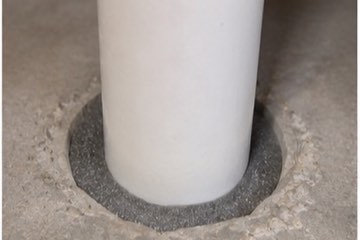
A small pit is opened under the concrete floor. A sealed vent pipe and an in-line radon fan create steady suction under the slab, pulling soil gas out from under the house and venting it above the roofline. A U-tube manometer on the pipe shows the system is pulling.
Many Longmont homes have an unfinished utility room or storage corner where the suction point can go, so finished rooms stay untouched. Call (720) 790-3231 for a free estimate.
Each part has a job.
A pit under the slab where the system draws soil gas.
A sealed in-line fan, usually outside or in the attic, that runs around the clock.
Carries the gas up and releases it above the roofline, away from windows.
A simple gauge on the pipe that shows the fan is working.
Major cracks, floor drains and sump pits are sealed so the suction holds.
| Home Type | Typical Range |
|---|---|
| Basement or slab, single suction point | $1,300 – $1,700 |
| Larger slab or more than one suction point | $1,700 – $2,500 |
| Mixed foundation (basement plus crawl space) | $2,200 – $4,000 |
Typical Front Range ranges. Your written estimate depends on the foundation, pipe route and fan location.
Most standard systems are finished in a single working day.
A post-mitigation test documents the new radon level.
Call (720) 790-3231 for a free sub-slab radon system estimate in Longmont.
Free — no obligations
We check how air moves under the slab and pick the best suction point.
Core the slab, run the pipe, mount the fan and seal major openings.
Read the manometer and check the fan before we leave.
A post-mitigation test confirms the result.